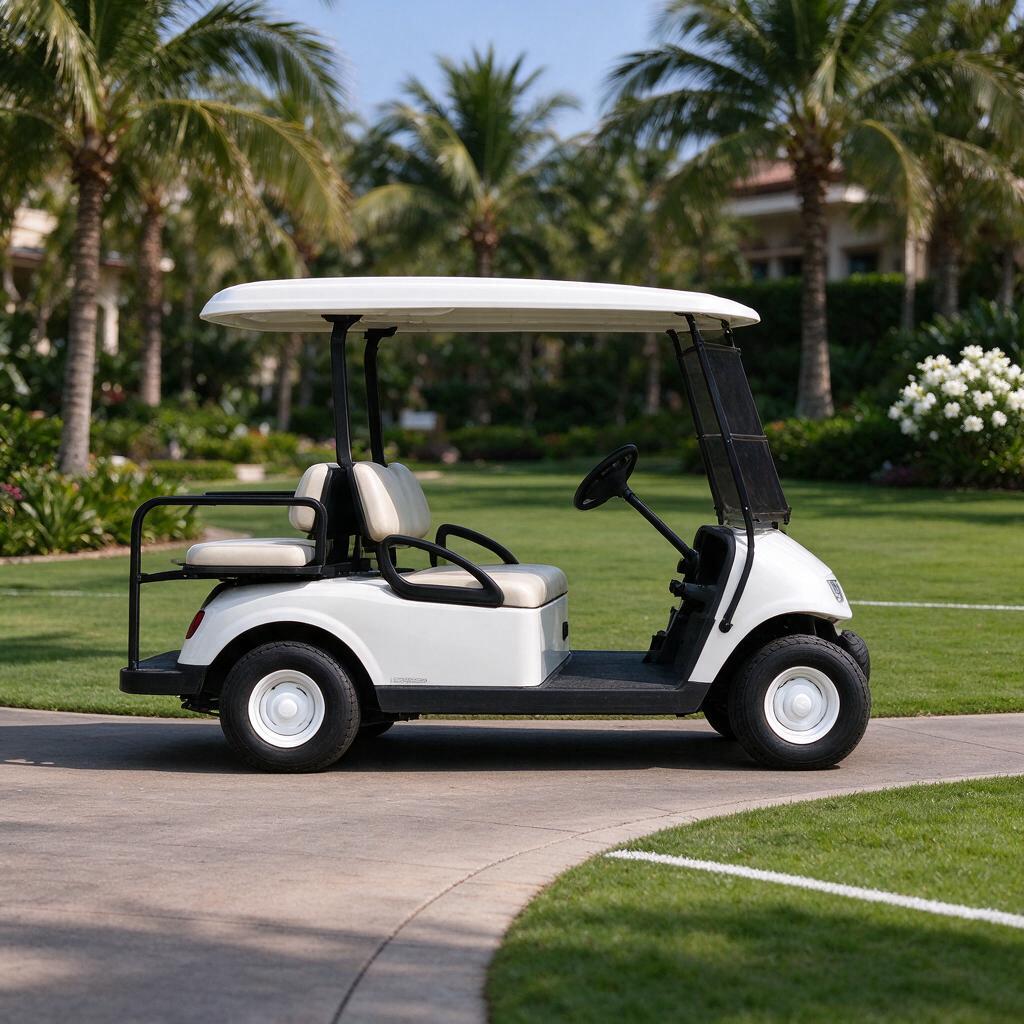
Choosing a chemistry for a cart or RV
LiFePO4 is the established upgrade path from lead-acid in cart and RV service. Sodium-ion is the newer option, offered in the same classes. Both are supplied in the standard 36V, 48V and 72V classes used by cart and RV builders.
The other difference customers notice is upkeep: no water top-ups, no equalising charges, no acid corrosion around the terminals — the maintenance routine of the lead-acid set simply goes away.
Choosing a voltage class
The vehicle decides the class: 36V, 48V and 72V systems cover the cart and RV market between them, and the battery must match the vehicle's electrical architecture and its charger. Start from the data plate or the existing bank's configuration, never from a catalogue guess — a pack built for the wrong class helps nobody, and the measurement takes five minutes.
Then choose the chemistry: LiFePO4, the established option, or sodium-ion, the newer one — both are offered across the 36V, 48V and 72V classes. Send the vehicle type, its voltage and the space available for the bank, and the quotation is worked against those figures, charger included.
The class figure can be checked without instruments: count the blocks in the existing lead-acid bank and multiply by each block's voltage, and the total is the class the replacement pack has to match — 36V, 48V or 72V.
Ordering golf-cart and RV batteries
Tell us the vehicle type, its voltage, and the space available for the bank, and the quotation is worked against those figures. Changing chemistry usually means changing the charger too, and we supply both sides of that conversation — name your charger in the inquiry and it is covered in the same quotation.
Wholesale inquiries
Tell us the model, your quantity and your market — we reply with a quotation and lead time.