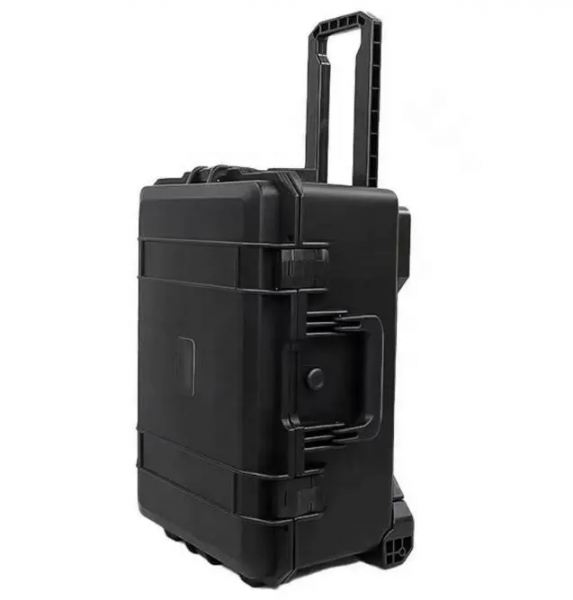
1000W UPS specification in full
| Rated output | 1000W |
|---|---|
| Battery chemistry | LiFePO4 |
| Output waveform | Pure sine wave |
| Solar charging | MPPT |
| Use | Emergency backup, camping, large-capacity portable power |
Emergency backup and camping
The buyers for this model start from one question — 'will it keep my equipment running when the power cuts?' The model's use is emergency backup and camping, and the pure sine wave output is the figure that matters for anything with a motor or a sensitive power supply.
What MPPT and pure sine wave actually buy
Two technical terms carry this model, and both repay explaining. Pure sine wave output is the waveform sensitive equipment expects: motors run without the growl and heat that modified-wave power causes, and switch-mode power supplies — laptops and networking equipment — behave as they do on grid power. For a backup product, that compatibility is not a luxury; it is the difference between protecting equipment and merely energising it.
MPPT — maximum power point tracking — is the solar input's intelligence: it continuously adjusts to extract the most the connected panel can give as light and temperature change, rather than clipping the panel to a fixed voltage. On a station that tops up from solar between outages, that efficiency is measured in hours of readiness.
Emergency duty and camping duty
The uses split in two, and the model serves both honestly. Emergency duty is the design centre: a station kept ready for the outage, protecting the critical equipment on the protected list — the loads whose failure costs money or worse. Camping duty is the same virtues outdoors — quiet power for a fridge and lights, topped up from the sun, with no generator noise to apologise for.
Programmes should sell the two duties with different load lists. The emergency list is written from consequences — what must not stop — and the camping list from comfort. The station covers both; the sizing conversation differs.
Specifying a UPS order
A useful inquiry for this model names the loads to be protected, the runtime they need, and the destination market. Runtime is a product of the load list, so work the list first: the loads, their watts and the hours they must run are the sizing figures for this model.
If the protected loads include anything with a motor or a networking power supply, say so explicitly: the unit's output is pure sine wave, the waveform those loads are specified for.
Keeping the UPS ready
A backup product has one unusual duty: it must be ready on the day that was not planned. The discipline is simple and worth printing in the programme's materials — the station lives connected or is checked on a schedule, the protected load list is written down rather than remembered, and the setup is tested before it is needed, not during the first real outage. None of that is technical; all of it is the difference between a product that protects and a product that was merely capable of protecting.
That readiness story is also the retail story. The customer is buying readiness for the uneventful outage — a written load list, a tested setup, a station that is charged when it is needed — and the programme that says so sells the preparation instead of the specification.
Ordering the 1000W UPS
Tell us the loads you expect customers to protect and your destination market, and we will quote against that list.
Wholesale inquiries
Tell us the model, your quantity and your market — we reply with a quotation and lead time.